Common Rail Test Bench Maintenance: 9 Essential Tips for Peak Performance
A common rail test bench is a precision instrument. Its core components—high-pressure pumps, pressure sensors, and precision oil circuits—demand stringent maintenance to deliver accurate, stable test data and extend equipment service life. Neglecting maintenance doesn't just compromise diagnostic accuracy; it leads to misdiagnosed injector faults, wasted workshop time, and costly engine failures down the road.
Here are 9 essential maintenance tips to keep your common rail test bench operating at peak performance.
1. Daily Oil Inspection and Level Check
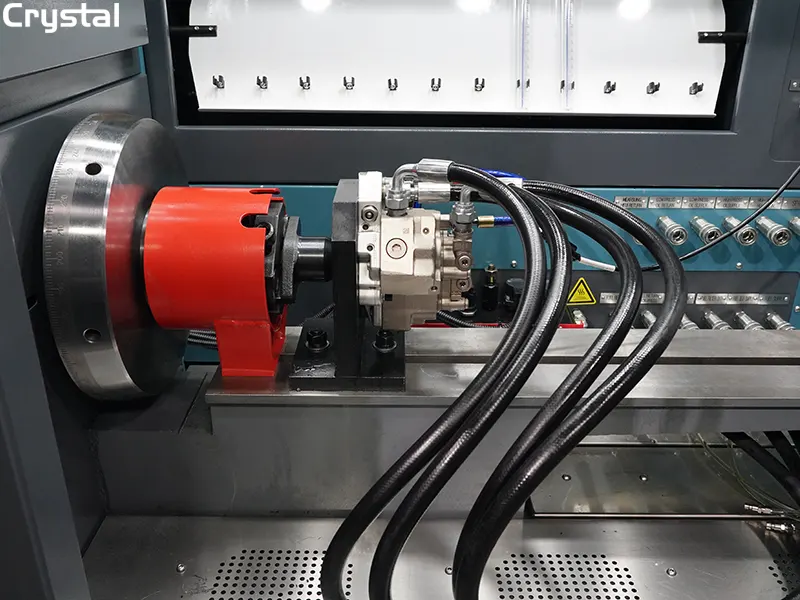
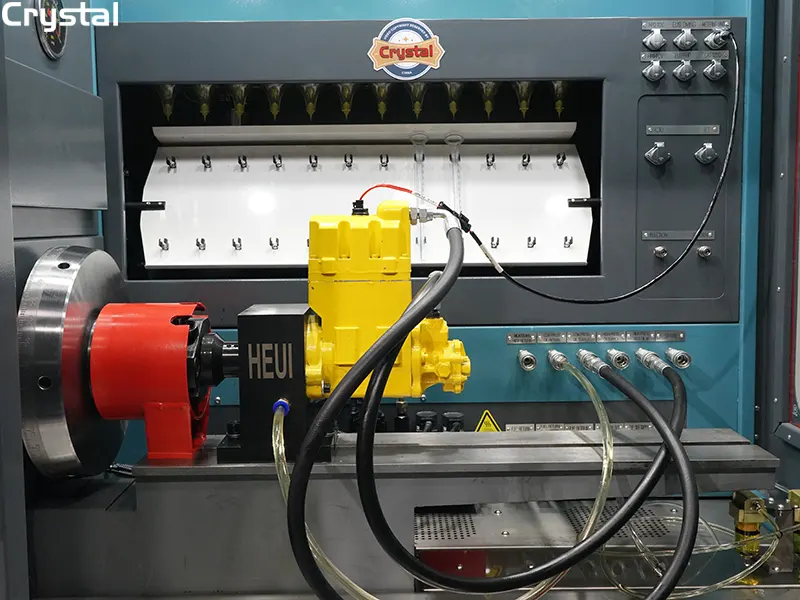
Before each startup, inspect the pump oil level. The oil should meet JB-1/ISO4113 standards and be maintained at approximately 3/4 full of the tank. The quality of hydraulic oil directly affects test accuracy and equipment life.
What to check:
- Oil level—replenish immediately if insufficient
- Oil cleanliness—replace immediately if turbidity or impurities are observed
Contaminated oil introduces impurities into the precision oil circuit, causing wear, clogging, and inaccurate test results.
2. Regular Fuel and Oil Replacement
Test fuel and hydraulic oil have finite service lives. Follow these replacement intervals:
| Component | Replacement Interval |
| Fuel in fuel tank | Every 800 hours of work or after 500 pumps commissioned |
| Hydraulic oil (first change) | After 200 hours of work |
| Hydraulic oil (subsequent) | Every 1200 hours of work |
| Gearbox lubricating oil | Every 400 hours or approximately every 6 months |
When replacing fuel, clean the fuel tank and filter with kerosene. Keep the oil tank well sealed to prevent other oils, water, or dirt from penetrating the system.
3. Filter System Cleaning
The coarse filter should be cleaned every 800 hours of work or after 500 pumps have been debugged. Additionally:
- Inspect the oil circuit filter and filter element regularly
- If blockages or contamination are detected, clean or replace them promptly
- This prevents impurities from entering the precision oil circuit and causing wear or clogging
Modern test benches often feature electronic monitoring of service intervals for test oil and filter replacement, providing reliable information on unscheduled servicing requirements.
4. Thorough Surface and Component Cleaning
Wipe away oil and dust from the equipment surface daily. Pay particular attention to precision components:
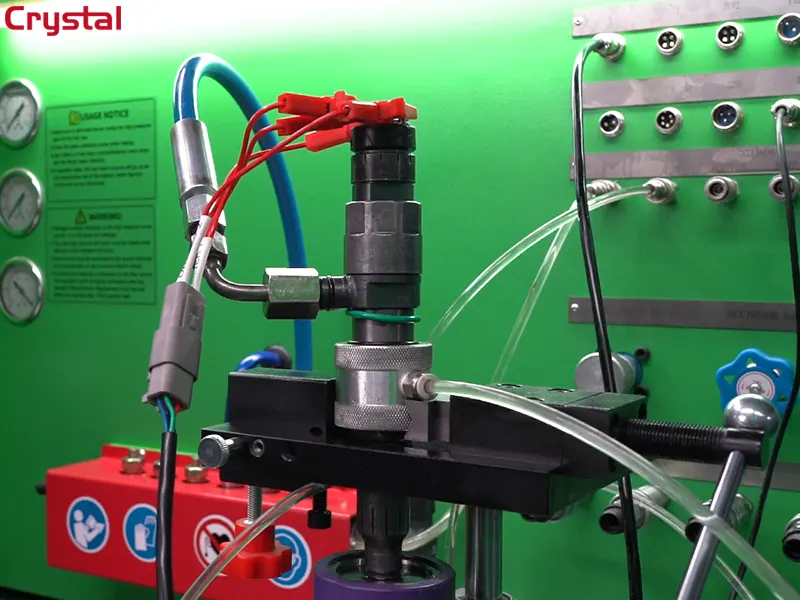
- Fuel injector mounting brackets—ensure they are free of impurities and oil stains
- Test connectors—cleanliness here is critical for maintaining testing seal integrity and accuracy
Before testing any injector, all carbon should be removed from the end, and all excess debris cleaned from the outside of the injector. Clean injectors regularly and check their spray quality and working status.
5. Electrical Connection and System Inspection
Faulty electrical connections are a common source of measurement errors. Perform regular checks on:
- Power lines—ensure secure connection, no damage or aging
- Sensor cables—check for secure attachment and insulation integrity
- Communication interfaces—verify no loosening or poor contact
- Grounding reliability—ground resistance should be ≤4Ω to mitigate leakage current risk
Important safety note: When checking the frequency converter, power must be cut off first. Wait until the "charging" indicator light goes out (capacitors discharge) before touching any electrical components.
6. Weekly Pressure System Calibration Verification
Pressure control accuracy is the cornerstone of reliable diagnostics. Perform no-load pressure testing weekly to verify:
- Consistency between pressure gauge and pressure sensor readings
- Pressure control accuracy remains within ±0.5 MPa
If deviation exceeds the specified limit, perform immediate calibration. Regular calibration ensures that test data output remains highly accurate. Remember: a test bench is only as reliable as its calibration.
7. Monthly Comprehensive Component Inspection
Set aside time each month for a thorough inspection:
High-pressure components:
- High-pressure pumps, hoses, and injector connectors—check for leaks, cracks, or signs of aging
- Swollen or damaged high-pressure hoses are strictly prohibited and must be replaced immediately
Mechanical components:
- Universal joints of couplings—check whether connecting screws and shrapnel are loose or broken
- Equipment rails, couplings, and universal joints—apply lubricant and inspect for wear
Electrical system:
- Internal wiring, contactors, and relays in the electrical control cabinet—check for overheating, aging, or loosening
8. Software and Data Management
Modern common rail test benches are computer-controlled systems that require digital maintenance:
- Check operational status of the device control software regularly
- Back up test parameters and data on a regular basis
- Upgrade software promptly when updates become available to optimize device performance and compatibility
For models like the CR918-PRO, which features a fully automatic control system, software integrity is particularly critical. When testing new injectors, the bench automatically adjusts parameters for each working condition—but this only works if the software is properly maintained.
9. Annual Professional Calibration and Long-term Maintenance
Beyond daily, weekly, and monthly routines, schedule professional maintenance annually:
- Full system calibration using standard samples or calibration equipment
- Comprehensive diagnostic check of all sensors and actuators
- Verification of injector testing accuracy—the standard injector opening pressure should be 17.5+0.2 MPa, with flow uniformity checked across all injectors
Keep detailed maintenance records, including the date and content of each inspection, maintenance, and part replacement. Regular review and analysis of maintenance history helps identify potential problems and enables timely repairs.
Final Thoughts
A well-maintained common rail test bench delivers three critical benefits:
- Accurate diagnostics—catching injector and pump issues early
- Extended equipment life—reducing costly downtime and replacements
- Consistent test results—building trust with your customers and workshop team
These nine maintenance practices are not optional—they are essential. Whether you operate a CR318PRO dedicated injector test bench or a CR918PRO comprehensive testing platform, consistent maintenance is the key to peak performance and long-term reliability.
Written by
Taian Crystal Automation Co., Ltd.
Editor Chen
www.crystalautotest.com
WhatsApp:+86 185 9528 8526
Email:martin@crystalautotest.com
- 5 Features That Separate Entry-Level from Industrial Injection Pump Test Benches
- Top 6 Injection Pump Test Bench Problems and Troubleshooting Guide
- Common Rail Test Bench Buying Guide: 7 Questions Every Diesel Workshop Must Ask
- 7 Methods of Power Speed Regulation for High-Pressure Common Rail Test Bench

Crystal Automation is a leading Chinese manufacturer of common rail test benches and fuel injector test benches.