Common Rail Test Bench Calibration: Why Precision Matters for Pump and Injector Diagnostics
In the world of modern diesel engines, precision is everything. Today's high-performance, low-emission engines rely on incredibly precise high-pressure common rail fuel systems. But how do we ensure that fuel injectors and pumps are performing flawlessly before they ever reach an engine? The answer lies in one critical process: test bench calibration.
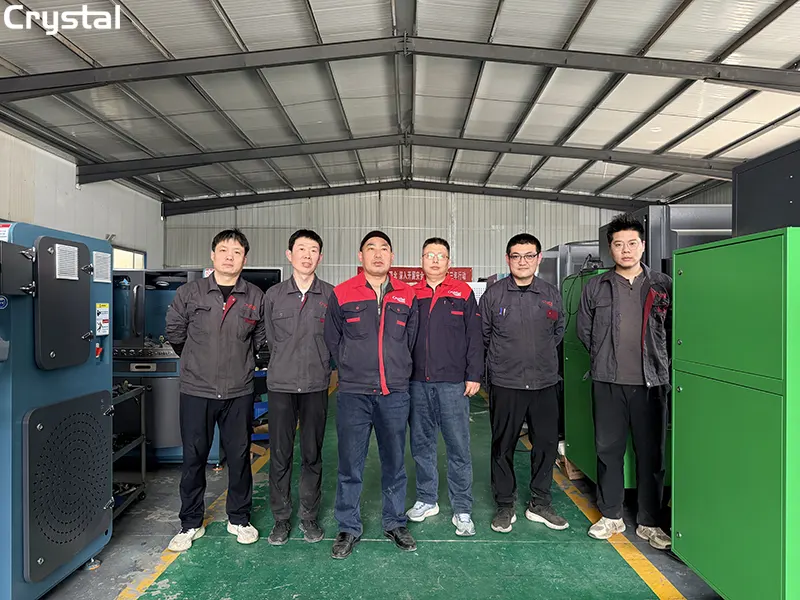
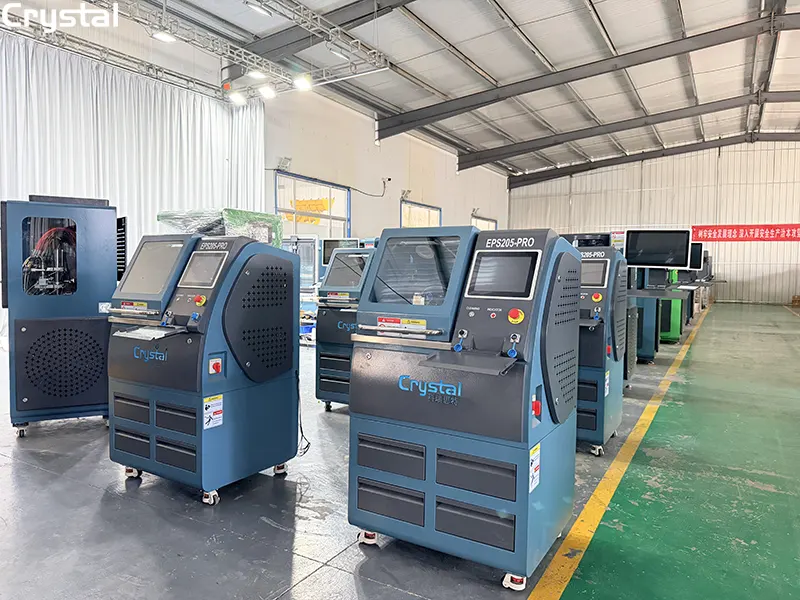
A common rail test bench is a sophisticated diagnostic and calibration machine designed specifically to test, validate, and repair common rail fuel injectors and high-pressure pumps. It simulates the exact operating conditions of a real engine—generating extreme pressures and precisely controlling fuel flow and electrical signals. Just as doctors use specialized equipment to diagnose a patient's heart, engineers use a test bench to diagnose the "health" of an injector.
But a test bench is only as reliable as its calibration. Without proper calibration, even the most advanced equipment can produce misleading results—leading to misdiagnosed faults, wasted workshop time, and costly engine failures.
What Is Test Bench Calibration?
Test bench calibration is the process of verifying and adjusting the measurement accuracy of a common rail test bench to ensure that the test data it outputs is highly accurate. The calibration process can be carried out through standard samples or calibration equipment to ensure the test accuracy of key components such as injectors and high-pressure pumps.
Modern test benches are fully computerized, integrating sensors, high-pressure pumps, and advanced software. Technicians can run programmed test plans for specific injector models, with results instantly compared against OEM specification databases to give a clear pass/fail diagnosis. However, these sophisticated systems require regular calibration to maintain their precision.
Key Calibration Parameters That Demand Precision
Several critical parameters must be precisely calibrated on a common rail test bench:
1. Rail Pressure
Modern common-rail diesel engines operate at injection pressures that have increased continuously over the past few years—2000 bar is the current standard, and this value continues to rise. Advanced test benches can handle tests up to 2200 bar or even 2500 bar. Rail pressure control accuracy typically needs to remain within ±0.5 MPa.
2. Flow Rate Measurement
Flow rate testing is arguably the most critical test performed on a common rail test bench. Flow measurement accuracy often reaches 0.1 ml, with flow testing ranges spanning 0–600 ml per 1000 injections. Even deviations in flow rate can lead to significant engine performance issues.
3. Injection Timing and Duration
Injector opening time can be varied between 0.1 to 0.6 ms. The test bench must be calibrated to control injection timing with microscopic accuracy, as the smallest deviation can lead to increased emissions, reduced performance, loss of power, and rough idling.
4. Temperature Control
Test conditions must be tightly controlled—cooling oil temperatures typically need to fall between 19oC and 21oC. Temperature fluctuations can affect fuel viscosity and measurement accuracy, compromising test results.
5. Pump Rotation Speed
Fuel pump rotation speed typically ranges from 0 to 4000 RPM, and must be precisely calibrated to simulate real-world engine operating conditions.
The Consequences of Improper Calibration
Improper calibration of a test bench can result in false readings. The consequences can be severe:
Misdiagnosed Injector Faults
When a test bench is not properly calibrated, it may fail to detect injector faults such as clogging, leakage, or timing drift. Dripping injectors can wash away lubrication on cylinder walls, leading to severe engine damage.
Wasted Workshop Time and Resources
False readings lead to unnecessary repairs or part replacements. Technicians may spend hours chasing problems that don't exist—or worse, miss problems that do.
Failed Emissions Compliance
The move towards stricter emission regulations—like Euro 6/7 and EPA standards—means that injectors must operate with microscopic accuracy. Inaccurate calibration can cause engines to fail emissions testing.
Reduced Fuel Economy and Performance
Incorrectly calibrated injectors cannot accurately control injection amount and timing, directly impacting engine power output and fuel economy.
Shortened Component Lifespan
Without proper testing and calibration, injectors and pumps may fail prematurely, leading to expensive downtime and replacement costs.
How Often Should a Test Bench Be Calibrated?
Regular calibration is essential for maintaining test accuracy. Industry best practices recommend:
- Initial calibration on a new test stand typically occurs within 12 months or 12 operationally valid tests
- Routine calibration should be performed periodically based on usage—high-volume workshops may require more frequent calibration
- Immediate calibration is necessary if pressure control accuracy deviates beyond the specified limit, typically ±0.5 MPa
- Post-repair calibration after any major maintenance or component replacement
Good maintenance records should be kept, including the date and content of each inspection, maintenance, and calibration. Regular review and analysis of maintenance history helps identify potential problems and enables timely repairs.
Choosing a Test Bench with Precision Calibration Capabilities
When selecting a common rail test bench for your workshop or facility, consider these precision-related factors:
Accuracy Specifications
Look for test benches with high accuracy ratings. Premium models offer ±0.3% to ±0.5% accuracy in pressure and flow measurements. Some advanced systems achieve ±0.2% FS (full scale) accuracy. Higher accuracy means more reliable diagnostics and fewer false readings.
Automation Capabilities
Fully automatic test benches reduce operator error. When testing a new injector, automated benches can automatically adjust parameters for each working condition, collect and save data, and generate standard data for repair based on the injector's electrical characteristics. The Pro models with fully automatic workflows can reduce operator error by 50%.
Multi-Brand Compatibility
A quality test bench should support injectors and pumps from major manufacturers including Bosch, Denso, Delphi, Siemens, and Cummins. Modern test systems often come with more than 4,000 sets of high-pressure common rail injector test data.
Built-in Diagnostic Software
Advanced software with OEM specification databases enables instant pass/fail diagnosis and creates traceable histories for each component—vital for quality control and auditing.
Calibration Verification Features
Look for benches with built-in calibration verification. Some systems allow technicians to initiate no-load pressure testing to verify consistency between pressure gauge and pressure sensor readings.
Best Practices for Test Bench Calibration Maintenance
To ensure your common rail test bench delivers accurate diagnostics day after day:
- Check the hydraulic system regularly - the quality of hydraulic oil directly affects test accuracy and equipment life
- Monitor oil cleanliness and level, replacing oil when necessary
- Inspect for leaks or contaminants in oil pipes and joints, keeping the oil circuit clean to avoid impurities entering the hydraulic system
- Clean injectors regularly and check spray quality and working status—fuel impurities can cause uneven injection or unstable injection pressure
- Use dedicated injector test instruments to check pressure, flow, and spray pattern
- Maintain detailed calibration records for traceability and quality assurance
Conclusion
Common rail test bench calibration is not merely a routine maintenance task—it is fundamental to accurate pump and injector diagnostics. In an era of increasingly stringent emissions standards and ever-higher injection pressures, the precision of your test equipment directly impacts the quality of your diagnostics, the reliability of your repairs, and ultimately, the performance and longevity of the diesel engines you service.
A properly calibrated test bench is the essential enabler of performance, efficiency, and reliability in modern diesel engines. It truly is the unsung hero working behind the scenes—but only if its calibration is maintained with the precision it deserves.
Keywords: common rail test bench calibration, injector diagnostics, pump testing accuracy, diesel test bench maintenance, common rail calibration parameters, test bench precision
Written by
Taian Crystal Automation Co., Ltd.
Editor Chen
www.crystalautotest.com
WhatsApp:+86 185 9528 8526
Email:martin@crystalautotest.com
- Top 6 Factors That Determine Injection Pump Test Bench Total Cost of Ownership
- Best 7 Tools for Injection Pump Test Bench Maintenance – Essential for Every Diesel Technician
- Injection Pump Test Bench Setup: 6 Essential Steps Before Your First Test Run
- Silk Road Bonds, Synchronized Progress - Kazakh and Serbian Customers Visit on the Same Day, Both Sign Contracts for CR818 Comprehensive Test Rig

Crystal Automation is a leading Chinese manufacturer of common rail test benches and fuel injector test benches.